

When integrated with Shopify, Sales Layer PIM helps you improve and enhance your shopping experience by centralizing your product information.

Trusted by product-driven companies worldwide


%201.svg)


The controls behind scalable Shopify product data management

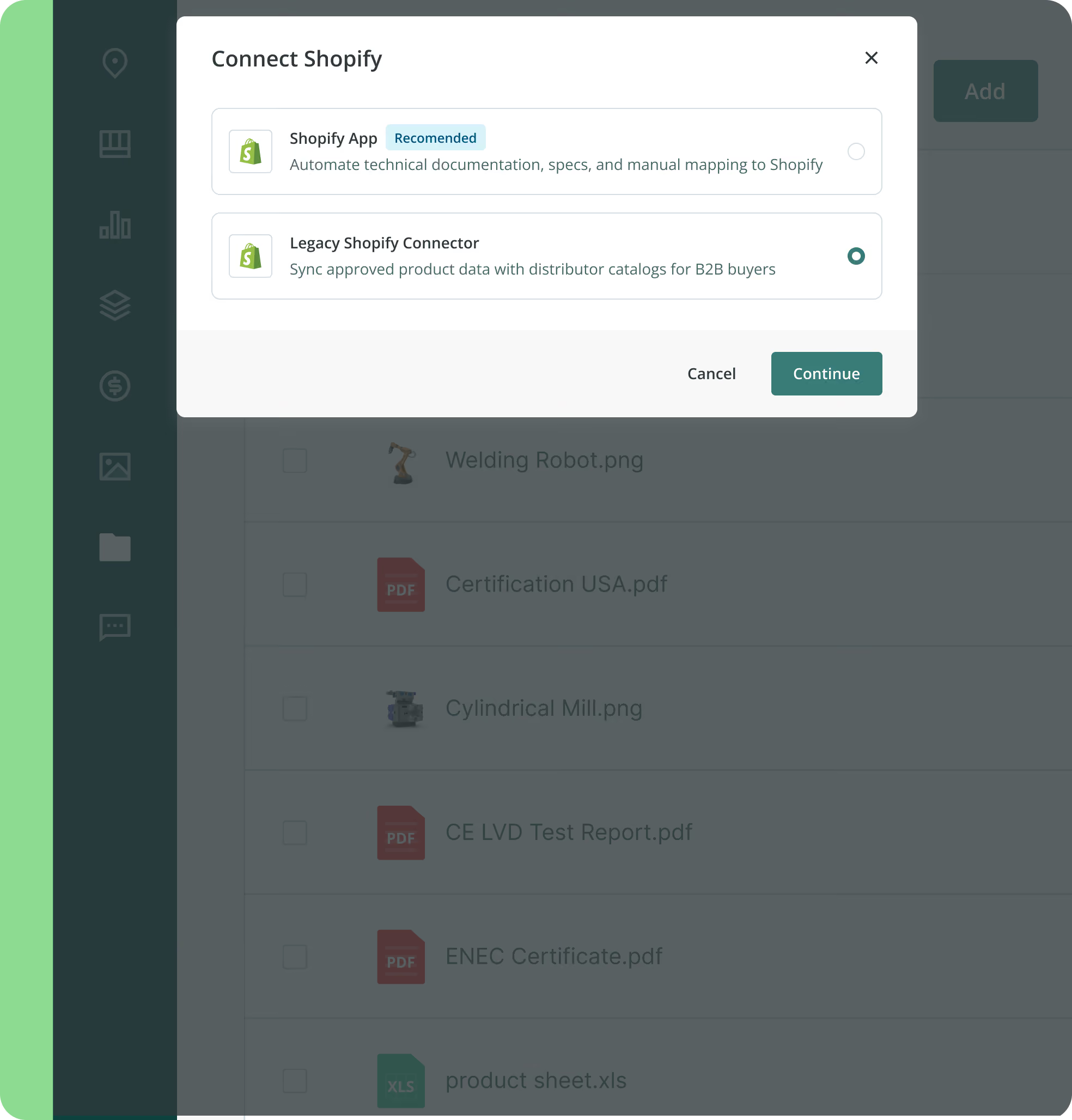
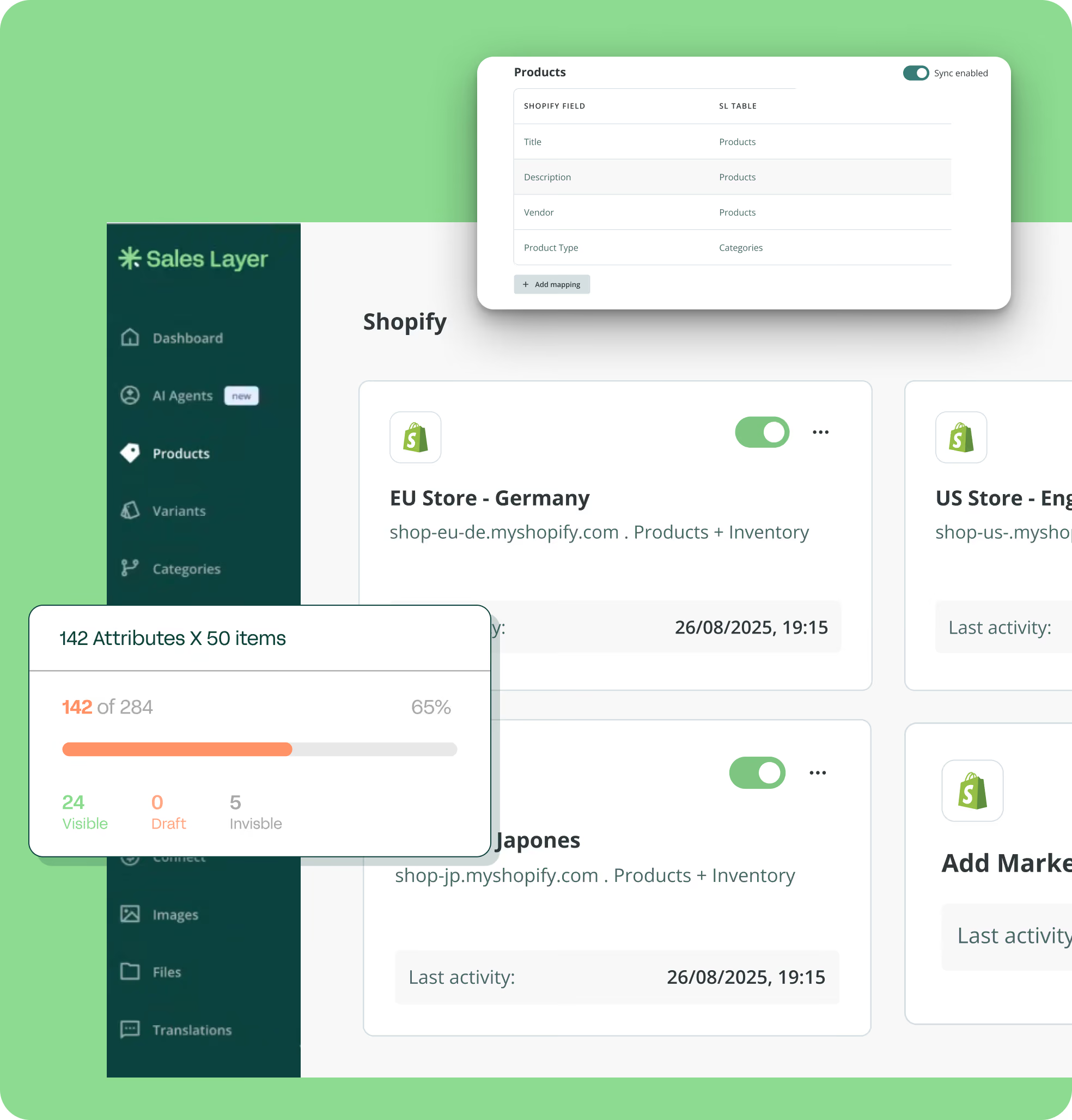
Connect Sales Layer to Shopify and configure how product fields are mapped.

Edit and update large volumes of Shopify product data from one workspace.

Manage local product content across Shopify stores and markets at scale.

Map variants, specifications, custom attributes, and Shopify metafields.

Manage permissions, quality checks, reviews, and approvals before publication.
.svg)
Create, improve and translate content; optimize current images using AI.
Connect, govern, and publish Shopify product data at scale.
Use Sales Layer to coordinate product data across Shopify Plus stores, B2B catalogs, and sales channels from one centralized PIM system. Automate recurring updates and approval workflows to support catalog growth without multiplying manual processes.
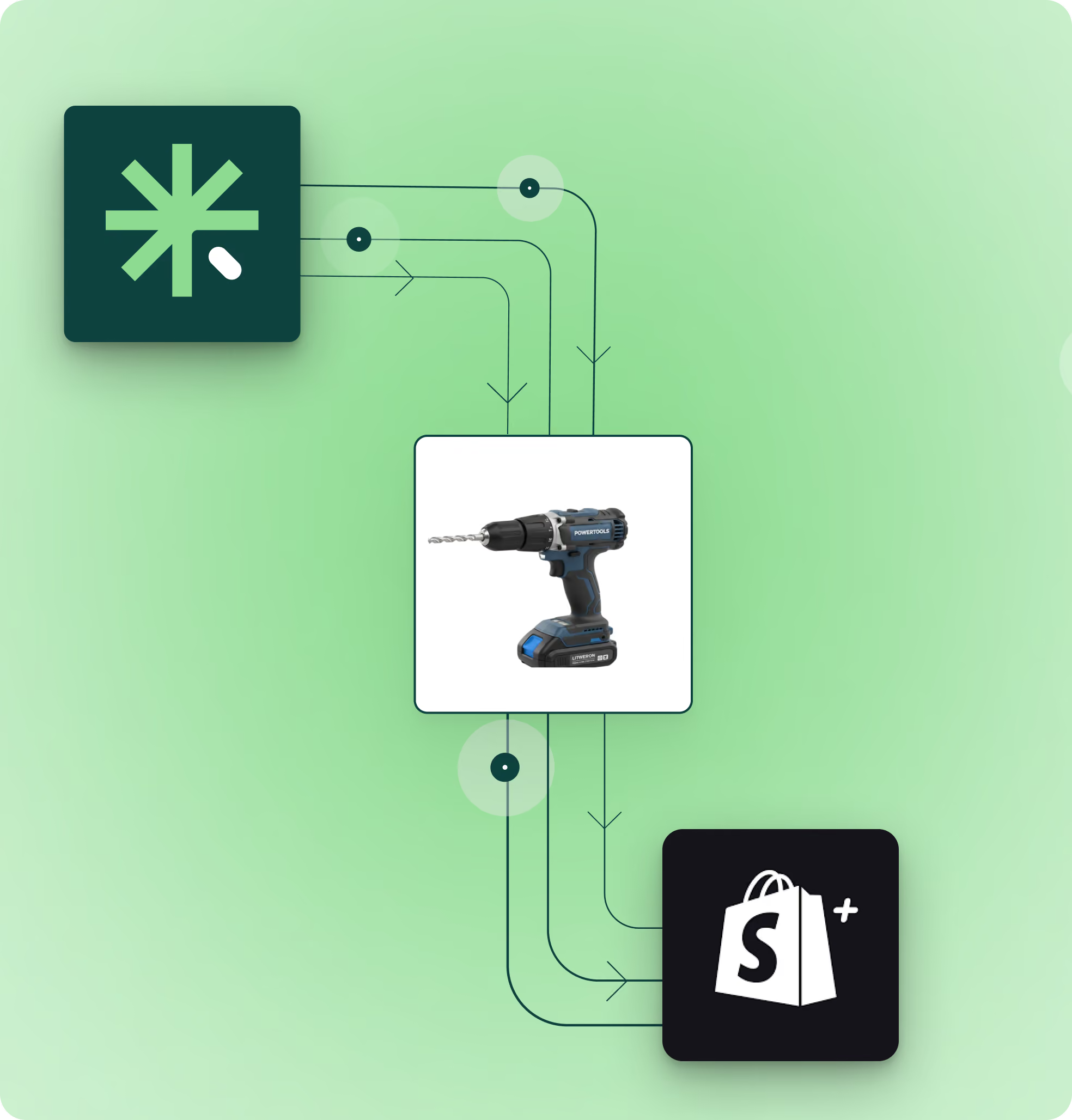
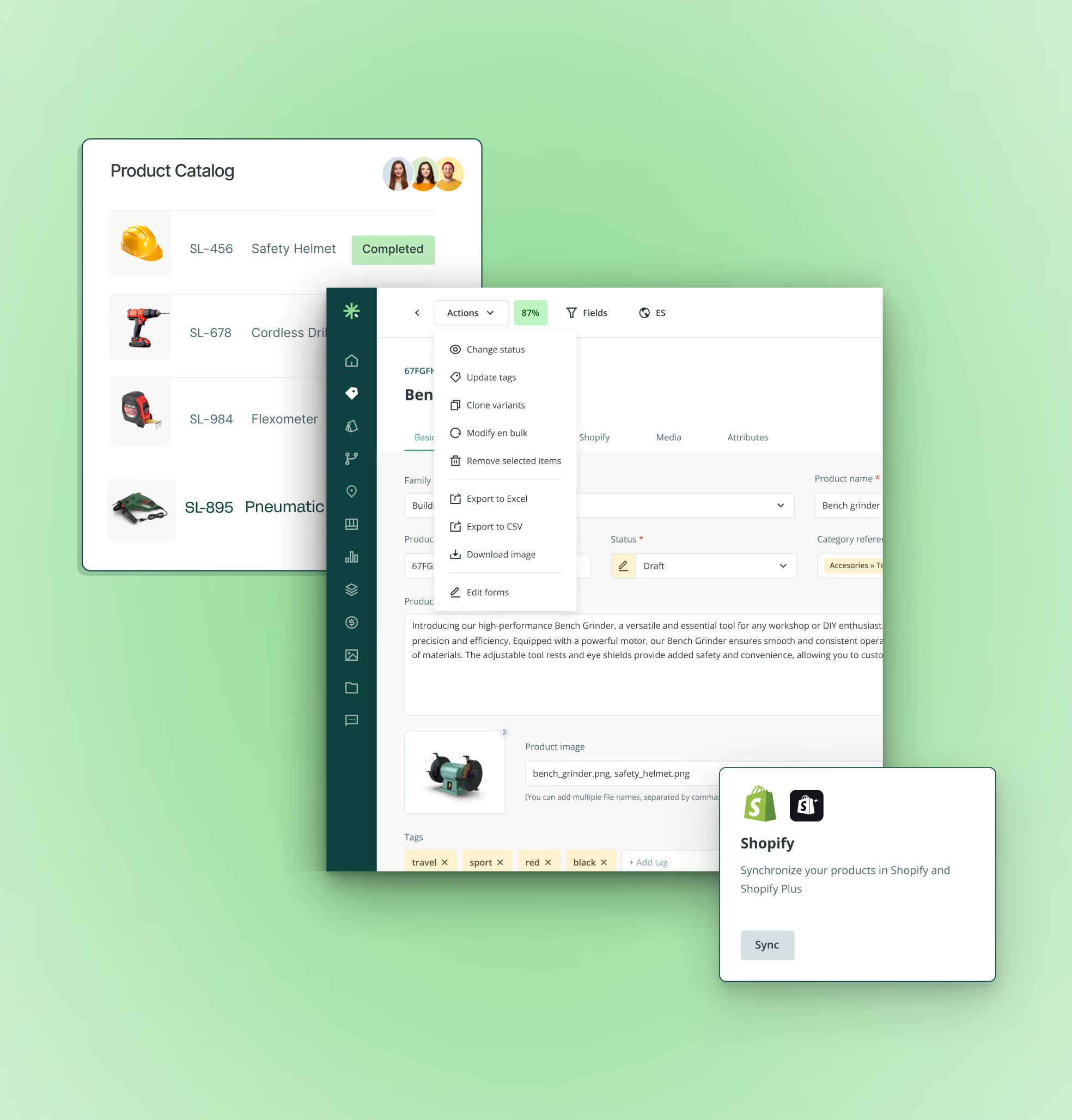
Manage titles, descriptions, specifications, images, SEO fields, and custom attributes in Sales Layer. Send approved content to Shopify with fewer manual updates, so ecommerce teams can launch complete, conversion-ready product pages faster.
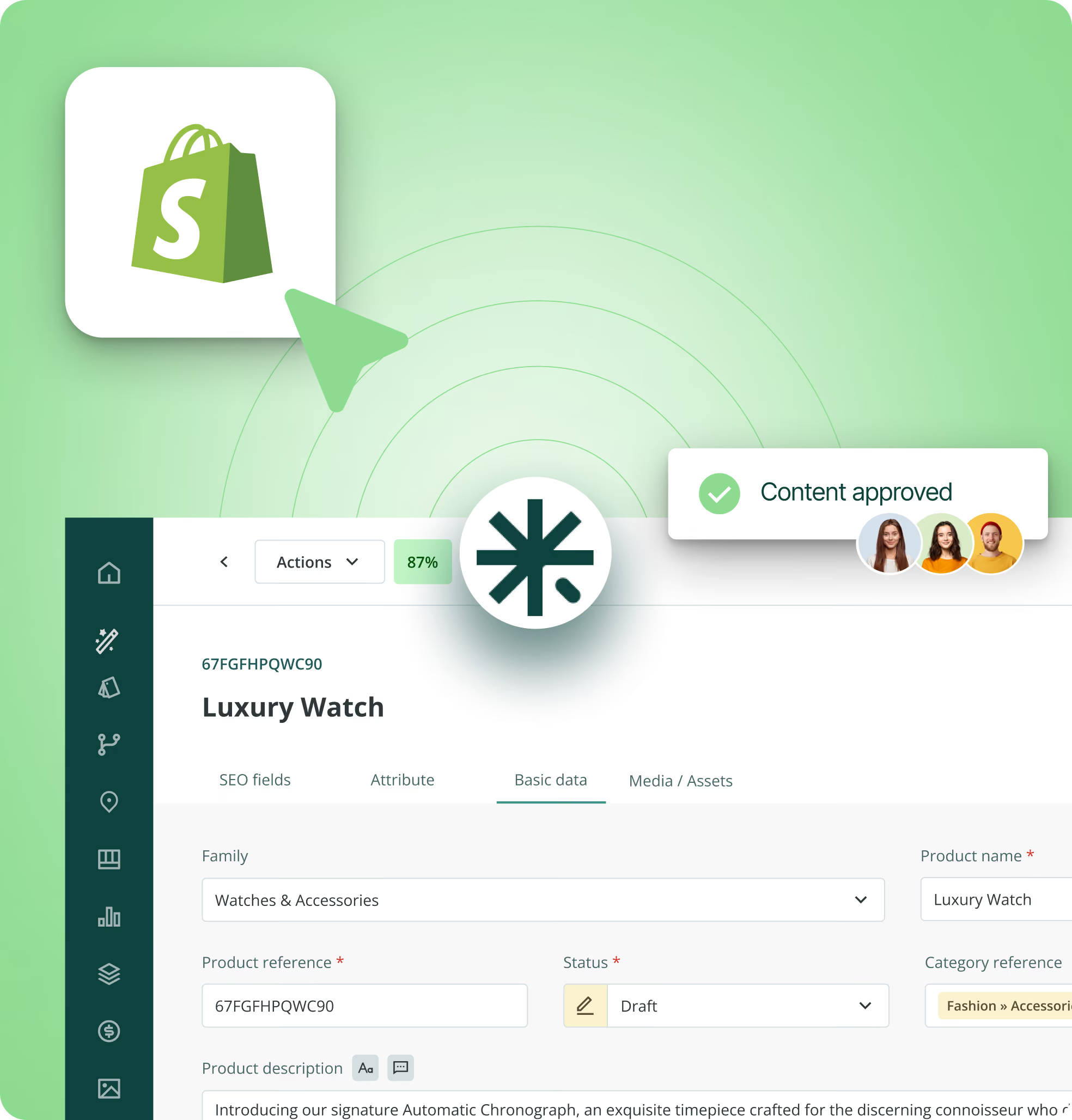
Product information management on Shopify can be one of the largest drains of time and resource for ecommerce businesses and their teams. But, with Sales Layer’s Shopify PIM integration, you can streamline your processes and free up time to spend on other areas of your business.
Our Shopify connector is quick, secure and easy to implement, helping you to effectively upload and manage your Shopify product catalogs directly from our PIM platform.
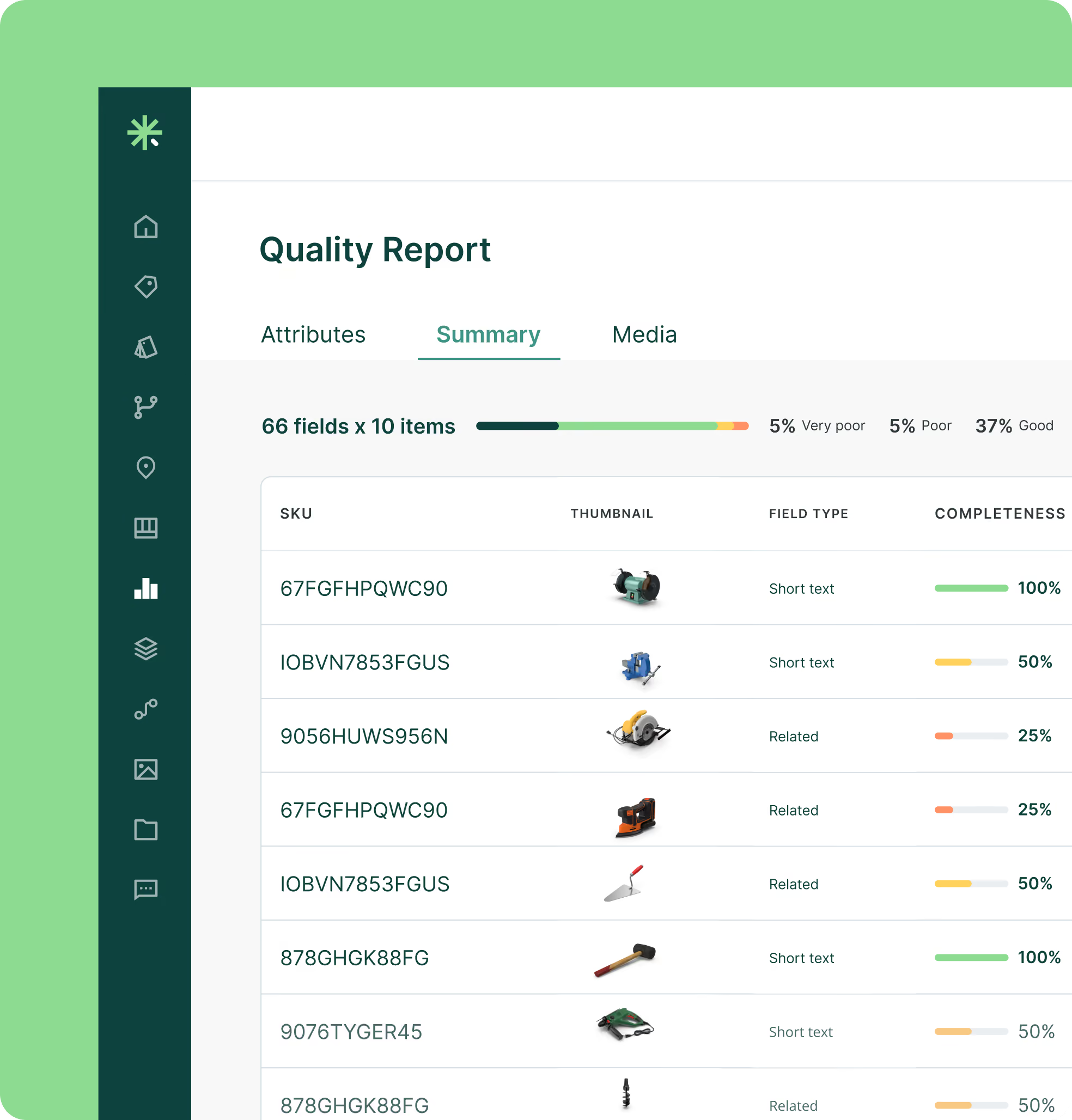
Sales Layer gives you structured product records for managing SKUs, variants, attributes, media, and metafields. Validate information before publication and keep large, frequently changing Shopify catalogs accurate and under control.
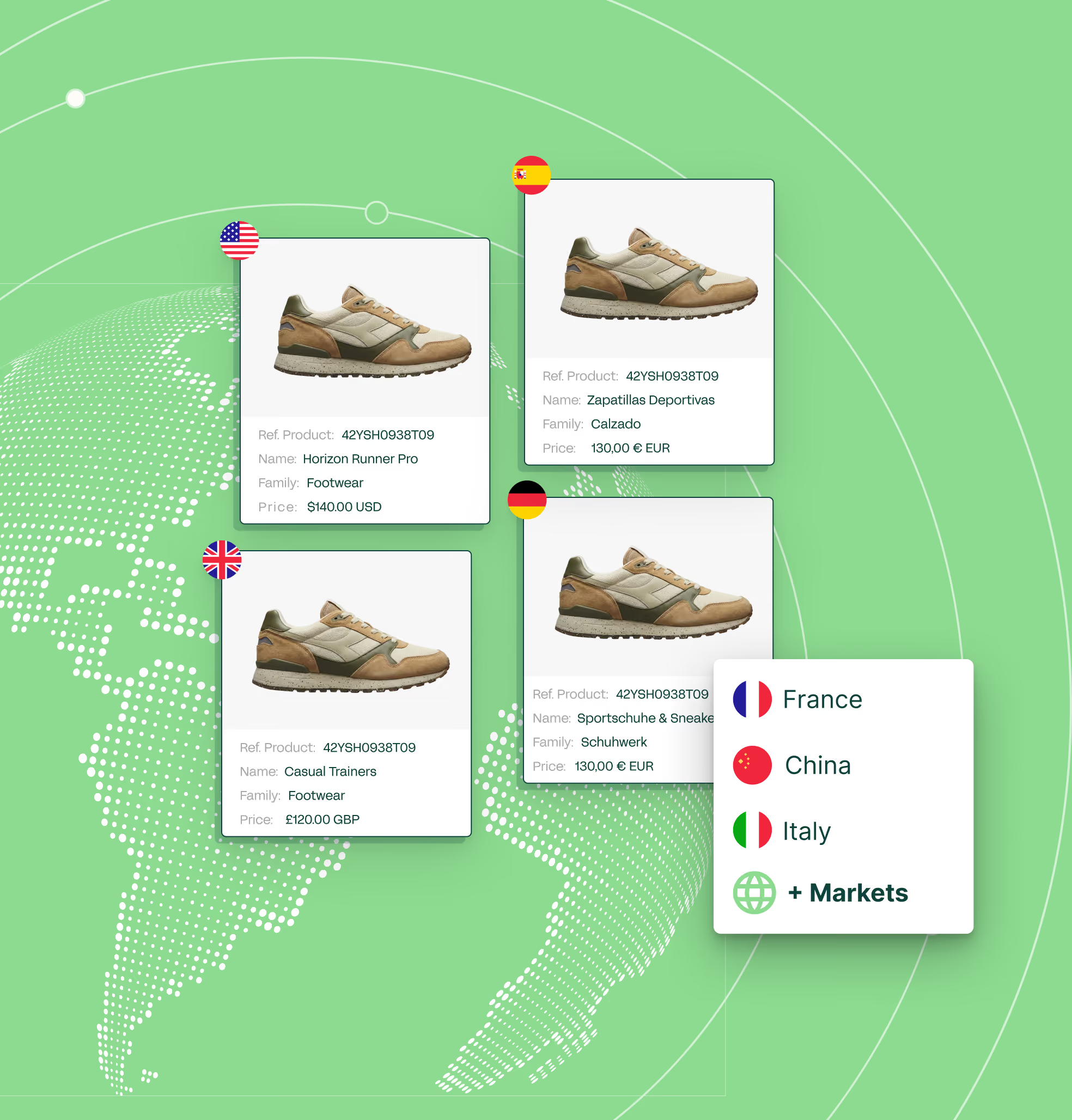
From one central PIM, Sales Layer lets you adapt product content for each Shopify store, market, language, and catalog without duplicating core records. Manage localized B2B and D2C product experiences from the same product data foundation.




Connect specifications, certifications, manuals, compatibility data, and technical documents to the right Shopify products and variants. Reuse approved information in distributor catalogs so B2B buyers and partners can compare products and make informed decisions.
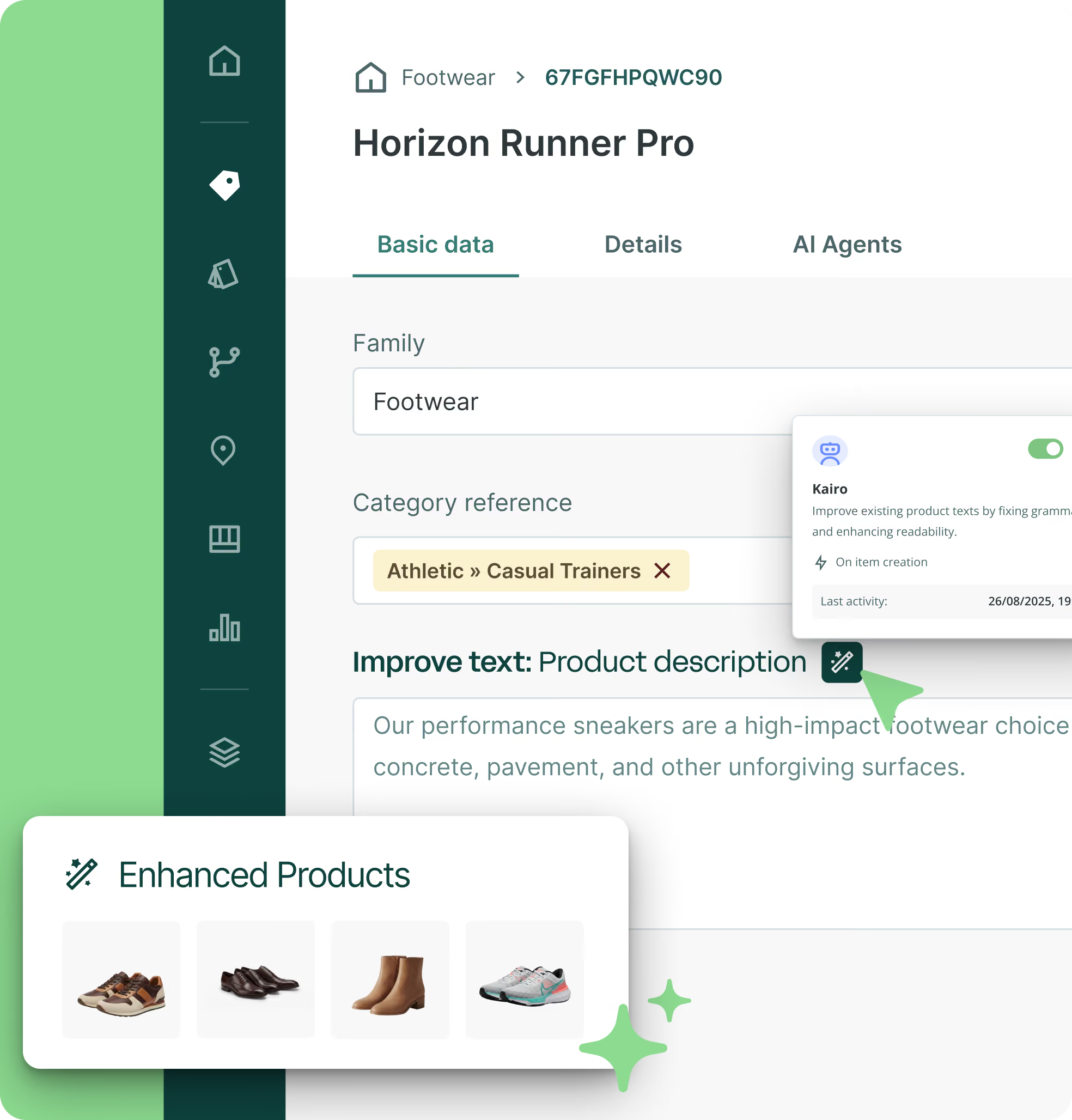
With Sales Layer AI Agents, create, refine, translate, and categorize Shopify content at scale. Optimize existing images and build structured catalog data that supports search, AI-led product discovery, and consistent product information across sales channels.


Kate Richards
Director at Precision Dippings

Shopify’s native tools may be sufficient for a small catalog managed by one team in a single store. As your catalog and operations grow, a PIM helps reduce manual work, prevent errors, and keep product information consistent at scale.
Consider a PIM if:

The more of these challenges you face, the greater the value of managing product information in a PIM rather than directly in Shopify.
To connect Shopify with Sales Layer, you’ll need:
Once these elements are in place, our onboarding team will assist with mapping your fields, validating sync behavior, and ensuring your data structure aligns with Shopify’s requirements. No advanced technical setup is needed.
Connecting Shopify to a PIM like Sales Layer allows you to centralize and structure your product data before it reaches your storefront. This eliminates the need for manual updates in Shopify, reduces errors, and gives you more control over how product information, titles, descriptions, variants, pricing, and images is organized and maintained. It’s especially useful for teams managing large or frequently changing catalogs.
Yes. The connector is built to handle both B2B and D2C operations. You can manage multiple price lists, channel-specific descriptions, or localized product variations all within a single Sales Layer account. Whether you're selling to resellers, direct customers, or both, the system can publish the appropriate version of each product to your Shopify store.
Yes. You can choose which catalogs, fields, languages, and products are included. Roles and approval workflows provide additional control by ensuring changes are reviewed before publication.
Most companies complete the connector setup in a few business days. Sales Layer’s native integration avoids custom development and includes prebuilt field mappings and templates. With support from our team, you can validate your product structure, run sync tests, and go live in less than a week, accelerating time to value without depending on IT.
Yes, the connector supports all critical Shopify fields, including multiple product images, variant options, alt text, SEO metadata (title and description), and metafields for custom attributes. This ensures you can deliver enriched product content to your storefront without manual entry improving both presentation and search visibility.
No, the connector is designed for business users. Product and marketing teams can complete the setup using Sales Layer’s interface, with guided onboarding and support available throughout. The process doesn’t require coding, custom plugins, or long configuration cycles, allowing non-technical teams to manage integration and ongoing updates confidently.
Manage your Shopify store with powerful API connectors and an intuitive, centralized product catalog.Get started with a 30-day all access trial of Sales Layer today.
